Cervical cancer is one of the important health concerns affecting women, but regular screening can help identify abnormal changes in the cervix before they develop into cancer. A Pap smear test, also called a Pap test or cervical cytology, is a commonly used screening method that checks cervical cells for abnormal changes.
Understanding when a Pap smear is recommended, how the test is performed, and what abnormal results mean can help women make informed decisions about their gynaecological health.
Dr. Khushboo Singh, Consultant Obstetrician & Gynaecologist in Baner, Pune, provides comprehensive women's healthcare and cervical cancer screening with a patient-focused and supportive approach.
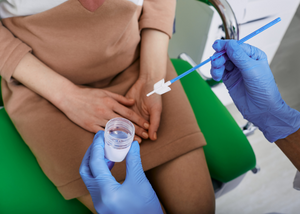
What Is a Pap Smear Test?
A Pap smear is a cervical cancer screening test used to detect abnormal cells on the cervix. During the procedure, a healthcare professional gently collects cells from the cervix using a specialised sampling device.
The collected cells are examined in a laboratory to identify changes that may require further evaluation or monitoring.
A Pap smear does not diagnose cervical cancer in every case. Instead, it helps identify cellular abnormalities at an early stage so that appropriate follow-up can be arranged.
Why Is a Pap Smear Important?
Cervical cell changes can develop without causing noticeable symptoms. Regular screening can identify these changes before they become more serious.
The main benefits of cervical screening include:
- Detecting abnormal cervical cells early
- Identifying changes that may require monitoring
- Helping prevent cervical cancer through timely follow-up
- Supporting appropriate further investigation when necessary
- Providing reassurance when results are normal
Screening is particularly important because early cervical abnormalities may not cause pain, bleeding, or other obvious symptoms.
Who Should Have a Pap Smear?
The appropriate age to begin cervical cancer screening and the recommended screening interval can vary depending on age, personal health history, previous screening results, and the screening method used.
Women should discuss an appropriate cervical screening schedule with their gynaecologist rather than relying on symptoms alone.
Women with previous abnormal cervical screening results, a history of cervical cancer, certain immune conditions, or other risk factors may require a different follow-up schedule.
What Is the Difference Between a Pap Smear and an HPV Test?
A Pap smear examines cervical cells for abnormal changes, whereas an HPV test looks for high-risk types of human papillomavirus that are associated with cervical cancer.
Depending on age, screening guidelines, and individual circumstances, cervical screening may involve:
- Pap cytology alone
- HPV testing
- Both tests together in selected situations
Your gynaecologist can recommend the most appropriate screening approach based on your individual risk and applicable guidelines.
What Happens During a Pap Smear?
A Pap smear is generally a quick procedure performed during a gynaecological examination.
The usual process includes:
- You will lie on an examination table in a comfortable position.
- A speculum is gently inserted into the vagina to allow the cervix to be visualised.
- A soft brush or other appropriate sampling device is used to collect cells from the cervix.
- The sample is placed in a container and sent to a laboratory for examination.
- The speculum is removed.
The procedure usually takes only a few minutes.
Is a Pap Smear Painful?
A Pap smear is generally well tolerated. Some women may experience temporary pressure or mild discomfort when the speculum is inserted or when the cervical sample is collected.
Relaxing the pelvic muscles and communicating with the healthcare professional can make the examination more comfortable.
If you are anxious or have experienced discomfort during previous examinations, tell your gynaecologist beforehand so appropriate steps can be taken to make the examination as comfortable as possible.
How Should I Prepare for a Pap Smear?
Your healthcare provider may provide specific instructions before the test.
Depending on the circumstances, you may be advised to:
- Avoid vaginal intercourse for a short period before the test
- Avoid vaginal medicines or creams immediately before screening unless prescribed
- Avoid scheduling the test during heavy menstrual bleeding when possible
- Inform your doctor about pregnancy or current medications
If you are unsure whether you need to postpone your appointment because of bleeding or another concern, speak with your gynaecologist.
How Long Does It Take to Get Pap Smear Results?
The time required to receive results depends on the laboratory and the type of testing performed. Your healthcare provider will explain when and how the results will be communicated.
It is important to follow up on your result even if you feel completely healthy.
What Does an Abnormal Pap Smear Mean?
An abnormal Pap smear does not automatically mean that you have cervical cancer.
Abnormal cells may occur for several reasons, including HPV infection, inflammation, or changes that may resolve on their own.
Depending on the result, your doctor may recommend:
- Repeat cervical screening after a specified interval
- HPV testing
- A detailed cervical examination
- Colposcopy
- Cervical biopsy when clinically indicated
The appropriate next step depends on the type of abnormality, your age, HPV status, previous results, and other risk factors.
What Happens If My Pap Smear Is Normal?
A normal result generally means that no abnormal cervical cells were detected in the sample.
However, a normal result does not eliminate the need for future screening. Cervical screening should continue according to the schedule recommended for your age and individual risk profile.
Can a Pap Smear Detect HPV?
A conventional Pap smear primarily looks for abnormal cervical cells rather than directly detecting HPV.
An HPV test specifically detects high-risk HPV types. Depending on the screening strategy, HPV testing may be performed separately or together with cervical cytology.
Is a Pap Smear Necessary If I Have No Symptoms?
Yes. Cervical precancerous changes may develop without causing symptoms.
Screening is designed to detect changes before symptoms occur, which is why women should follow appropriate cervical cancer screening recommendations even when they feel completely healthy.
Can a Pap Smear Detect Other Gynaecological Problems?
A Pap smear is specifically intended for cervical cancer screening and is not a general test for all gynaecological conditions.
It should not be relied upon to diagnose conditions such as ovarian cysts, uterine fibroids, endometriosis, or most vaginal infections. Other tests and examinations may be required depending on symptoms.
Can I Have a Pap Smear During Pregnancy?
Cervical screening during pregnancy depends on individual circumstances, previous screening history, and clinical recommendations. If you are pregnant and due for cervical screening or have previously received an abnormal result, discuss this with your obstetrician or gynaecologist.
Frequently Asked Questions About Pap Smear Tests
What is the main purpose of a Pap smear?
The primary purpose of a Pap smear is to detect abnormal cervical cells that may represent precancerous changes or other abnormalities requiring follow-up.
Is a Pap smear the same as a cervical cancer test?
A Pap smear is a cervical cancer screening test. It helps identify abnormal cells before cervical cancer develops but does not detect every case of cancer.
How often should I have a Pap smear?
The recommended interval depends on your age, screening method, previous results, and individual risk factors. Your gynaecologist can advise you on an appropriate schedule.
Does an abnormal Pap smear mean cancer?
No. An abnormal result does not automatically indicate cancer. Many abnormal results are related to HPV infection or cervical changes that can be monitored or treated before becoming cancerous.
Can I have a Pap smear if I am menstruating?
It may be preferable to schedule cervical screening when you are not experiencing heavy menstrual bleeding because blood can sometimes interfere with sample interpretation. Your healthcare provider can advise you based on your circumstances.
How long does a Pap smear take?
The sampling itself generally takes only a few minutes, although the complete appointment may take longer depending on the examination and consultation.
Can I go back to normal activities after a Pap smear?
Most women can return to their usual activities immediately after the test. Mild spotting can occasionally occur after cervical sampling.
Should I get screened even if I feel healthy?
Yes. Cervical precancerous changes often do not cause symptoms, which is why regular screening is important.
Is HPV related to cervical cancer?
Yes. Persistent infection with certain high-risk types of human papillomavirus is the major cause of cervical cancer. HPV testing may therefore form part of cervical cancer screening.
When should I consult a gynaecologist?
Consult a gynaecologist if you are due for cervical screening, have received an abnormal screening result, or experience symptoms such as unusual vaginal bleeding, bleeding after intercourse, or abnormal vaginal discharge.
A Pap smear test is an important tool for cervical cancer screening and can help detect abnormal cervical changes at an early stage. Since early cervical changes may not cause symptoms, following an appropriate screening schedule is an important part of preventive women's healthcare.
If you are looking for a gynaecologist in Baner, Pune, for cervical screening or women's health concerns, Dr. Khushboo Singh, Consultant Obstetrician & Gynaecologist, offers personalised guidance and comprehensive gynaecological care. Discuss your age, medical history, previous screening results, and individual risk factors with your doctor to determine the cervical screening approach that is right for you.
Read More:
Tubal Ligation in Baner, Pune
Read More:
Tubal Ligation in Baner, Pune
Book Appointment
 AboutMyClinic