Family planning is an important personal decision, and women may consider permanent contraception when they have completed their family or do not wish to have future pregnancies. Tubal ligation, commonly known as female sterilisation, is a permanent contraceptive procedure that prevents pregnancy by blocking or sealing the fallopian tubes.
Dr. Khushboo Singh, Consultant Obstetrician & Gynaecologist in Baner, Pune, provides personalised counselling and gynaecological care for women considering permanent contraception. She helps patients understand how tubal ligation works, its benefits and limitations, possible risks, recovery, and alternative contraceptive options so they can make an informed decision.
What Is Tubal Ligation?
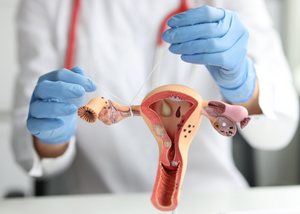
Tubal ligation is a surgical method of permanent contraception in which the fallopian tubes are blocked, cut, sealed, or otherwise interrupted. The fallopian tubes normally carry an egg from the ovary toward the uterus.
By preventing the egg and sperm from meeting, tubal ligation greatly reduces the possibility of pregnancy.
It is commonly considered by women who are certain that they do not want future pregnancies.
How Does Tubal Ligation Prevent Pregnancy?
During a tubal ligation procedure, the fallopian tubes are interrupted. This prevents sperm from reaching the egg and prevents the egg from travelling through the tube toward the uterus.
The ovaries continue to function and produce hormones after tubal ligation. Therefore, the procedure does not normally cause menopause or stop ovarian hormone production.
Menstrual periods generally continue after the procedure.
Who Can Consider Tubal Ligation?
Tubal ligation may be an option for women who:
- Have completed their family
- Are certain they do not want future pregnancies
- Want a permanent method of contraception
- Prefer not to use temporary contraceptive methods
- Have discussed the benefits, limitations, and alternatives with a qualified gynaecologist
Because tubal ligation is intended to be permanent, careful counselling and informed consent are essential before proceeding.
When Can Tubal Ligation Be Performed?
Tubal ligation can be performed at different times depending on the woman's circumstances and medical suitability.
It may be performed:
- As an interval procedure when the woman is not pregnant
- After childbirth in selected cases
- During a caesarean delivery, when appropriate
- At another planned time based on individual circumstances
The timing and surgical approach depend on the patient's health, pregnancy status, previous surgeries, and personal preferences.
How Is Tubal Ligation Performed?
The procedure can be performed using different surgical techniques.
Laparoscopic Tubal Ligation
Laparoscopic sterilisation is performed through small abdominal incisions using a camera and specialised instruments. The fallopian tubes are then blocked, sealed, cut, or removed depending on the surgical plan.
Laparoscopic procedures generally involve smaller incisions and may allow a relatively quick recovery.
Tubal Ligation During Caesarean Delivery
For women who have decided on permanent contraception and are undergoing a caesarean delivery, sterilisation may sometimes be performed during the same surgical procedure.
This should be discussed and consented to in advance whenever possible.
Is Tubal Ligation Effective?
Tubal ligation is one of the most effective methods of permanent contraception. However, no contraceptive method other than complete avoidance of sexual intercourse is considered 100% effective.
A very small number of pregnancies can occur after sterilisation. Women should therefore consult their doctor if they experience a missed period or pregnancy symptoms after the procedure.
Does Tubal Ligation Affect Hormones or Periods?
Tubal ligation does not normally affect the ovaries or the hormones they produce.
Therefore, it generally does not cause menopause or stop menstrual periods.
Any changes in menstrual patterns after the procedure may be related to other factors, including age, hormonal contraception that was stopped, pregnancy-related changes, or underlying gynaecological conditions.
What Are the Benefits of Tubal Ligation?
Tubal ligation offers several potential benefits:
- Permanent contraception
- High effectiveness
- No need for daily contraceptive pills
- No need for contraceptive devices after successful sterilisation
- Does not usually affect natural hormone production
- No ongoing contraceptive maintenance
- Can be performed at certain times around childbirth
The decision should nevertheless be based on individual reproductive goals and a thorough discussion with a gynaecologist.
What Are the Possible Risks?
Tubal ligation is a surgical procedure, so it carries some risks.
Potential complications may include:
- Bleeding
- Infection
- Reaction to anaesthesia
- Injury to nearby organs
- Blood clots
- Surgical complications
- Rare failure of sterilisation
The individual risks depend on the surgical technique, medical history, previous abdominal surgeries, and overall health.
What Is Recovery Like After Tubal Ligation?
Recovery depends on the type of procedure performed and the patient's overall health.
After laparoscopic tubal ligation, some women may experience:
- Mild abdominal discomfort
- Bloating
- Shoulder-tip discomfort related to the surgical gas
- Tiredness
- Mild pain around the incision sites
Patients are usually advised to follow their surgeon's instructions regarding physical activity, wound care, bathing, and returning to work.
Can Tubal Ligation Be Reversed?
Tubal ligation should be considered permanent.
Although some reversal procedures may be technically possible in selected cases, reversal is not guaranteed to restore fertility and may not be suitable for everyone.
Women who are uncertain about future pregnancy should discuss long-acting reversible contraceptive options with their gynaecologist before choosing sterilisation.
Does Tubal Ligation Protect Against Sexually Transmitted Infections?
No. Tubal ligation does not protect against sexually transmitted infections (STIs).
Condoms remain important for reducing the risk of STI transmission when appropriate.
Tubal Ligation vs Temporary Contraception
Permanent contraception is not the only option available. Depending on a woman's reproductive goals, alternatives may include:
- Oral contraceptive pills
- Condoms
- Intrauterine devices
- Hormonal contraceptive methods
- Contraceptive implants
- Other long-acting reversible contraception
A Consultant Obstetrician & Gynaecologist in Baner, Pune can help compare these options based on medical history, reproductive plans, convenience, and personal preferences.
What Should You Discuss With Your Gynaecologist Before Tubal Ligation?
Before deciding on permanent contraception, it is important to discuss:
- Whether you are certain about not wanting future pregnancies
- Your current health conditions
- Previous abdominal or pelvic surgeries
- Previous pregnancies and deliveries
- Available surgical techniques
- Anaesthesia
- Expected recovery
- Potential complications
- Alternative contraceptive methods
- What to expect after the procedure
Taking time to understand the procedure can help ensure that your decision is informed and voluntary.
Tubal Ligation in Baner, Pune
Choosing permanent contraception is a significant reproductive health decision. Dr. Khushboo Singh, Consultant Obstetrician & Gynaecologist in Baner, Pune, offers patient-centred counselling and care for women considering tubal ligation.
Dr. Singh takes time to understand each patient's reproductive goals and medical history before discussing whether permanent contraception is appropriate. Patients can receive guidance regarding the procedure, alternatives, expected recovery, and long-term considerations.
Frequently Asked Questions
Is tubal ligation permanent?
Yes. Tubal ligation is intended to be a permanent method of contraception. Women who are uncertain about future pregnancies should carefully consider reversible alternatives before undergoing the procedure.
Can I get pregnant after tubal ligation?
Pregnancy after tubal ligation is uncommon but possible. If pregnancy occurs after sterilisation, prompt medical evaluation is important because there is a risk of ectopic pregnancy.
Does tubal ligation stop periods?
No. Tubal ligation does not normally stop menstruation because it does not remove the uterus or ovaries.
Does tubal ligation cause weight gain?
Tubal ligation itself is not generally associated with weight gain. Changes in weight after the procedure may have other causes.
Does tubal ligation affect female hormones?
No. Tubal ligation does not normally interfere with ovarian hormone production.
How long does tubal ligation surgery take?
The duration depends on the technique used and the individual patient's circumstances. Your gynaecologist can provide more specific information during the preoperative consultation.
How soon can I return to normal activities?
Recovery varies according to the surgical approach and individual health. Your doctor will provide personalised instructions about returning to work, exercise, and other activities.
Can tubal ligation be reversed?
Reversal may be possible in selected circumstances, but it is not guaranteed to restore fertility. Therefore, tubal ligation should be considered a permanent decision.
Is tubal ligation safe?
Tubal ligation is generally considered a safe and effective surgical contraceptive method when performed in an appropriate setting. As with any surgery, potential complications should be discussed beforehand.
Does tubal ligation protect against STIs?
No. Tubal ligation prevents pregnancy but does not protect against sexually transmitted infections. Condoms can help reduce STI transmission.
Tubal ligation is a highly effective permanent contraception option for women who are confident that they do not want future pregnancies. Understanding how the procedure works, its effectiveness, possible risks, recovery, and alternatives is essential before making a decision.
If you are considering permanent contraception, consult Dr. Khushboo Singh, Consultant Obstetrician & Gynaecologist in Baner, Pune, for personalised counselling and expert guidance. A detailed consultation can help you choose a contraceptive method that aligns with your health, reproductive goals, and long-term plans.
Read More:
PCOS/PCOD Management in Baner, Pune
Read More:
PCOS/PCOD Management in Baner, Pune
Book Appointment
 AboutMyClinic