A hysterectomy is a surgical procedure to remove the uterus. It may be recommended for women with conditions such as uterine fibroids, heavy menstrual bleeding, endometriosis, uterine prolapse, adenomyosis, or certain gynaecological cancers when other treatments are not effective or appropriate.
Depending on the underlying condition, the size and position of the uterus, previous surgeries, overall health, and other individual factors, a hysterectomy can be performed through different approaches. The three commonly discussed approaches are abdominal hysterectomy, vaginal hysterectomy, and laparoscopic hysterectomy.
Dr. Khushboo Singh, Consultant Obstetrician & Gynaecologist in Baner, Pune, provides personalised gynaecological care and helps women understand their treatment options before deciding whether hysterectomy is appropriate.
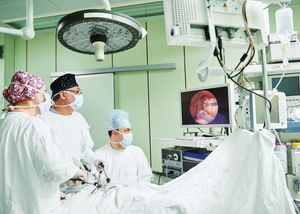
What Is a Hysterectomy?
A hysterectomy is an operation in which the uterus is surgically removed. After a hysterectomy, a woman will no longer have menstrual periods and cannot become pregnant.
Depending on the medical condition, the surgeon may remove only the uterus or may recommend removal of the cervix, fallopian tubes, and/or ovaries as well.
The exact extent of surgery depends on the diagnosis and individual circumstances. Removal of the ovaries is not automatically required with every hysterectomy.
When Is a Hysterectomy Recommended?
Hysterectomy may be considered when a woman has a significant gynaecological condition that is causing persistent symptoms or when other treatment options are unsuitable.
Common indications include:
- Large or symptomatic uterine fibroids
- Persistent heavy or abnormal uterine bleeding
- Adenomyosis
- Severe endometriosis
- Uterine prolapse
- Certain precancerous conditions
- Cancer of the uterus, cervix, or other reproductive organs
- Chronic pelvic pain in selected cases
- Conditions that have not responded adequately to other treatments
A hysterectomy is a major decision and is generally considered after evaluating less invasive or uterus-preserving options when appropriate.
What Are the Different Types of Hysterectomy?
The procedure can be classified according to both what is removed and how the uterus is removed.
Total Hysterectomy
A total hysterectomy involves removal of the uterus and cervix.
Supracervical or Subtotal Hysterectomy
In this procedure, the uterus is removed while the cervix is left in place. Whether this is appropriate depends on the patient's condition and surgical plan.
Hysterectomy With Removal of the Tubes and/or Ovaries
The fallopian tubes may be removed along with the uterus. Removal of one or both ovaries is called oophorectomy and may be recommended for specific medical reasons.
The decision to remove the ovaries is individualised, particularly in women who have not reached menopause.
Abdominal Hysterectomy
An abdominal hysterectomy involves removing the uterus through an incision made in the lower abdomen.
It may be considered when:
- The uterus is significantly enlarged
- Large fibroids are present
- There is extensive pelvic disease
- Cancer surgery requires an abdominal approach
- A minimally invasive approach is not considered suitable
The incision may be horizontal in the lower abdomen or, in selected circumstances, vertical.
Recovery After Abdominal Hysterectomy
Because abdominal hysterectomy involves a larger incision, recovery generally takes longer than with minimally invasive approaches. Patients may require several weeks before returning to normal activities, depending on their overall health and the nature of the surgery.
Vaginal Hysterectomy
During a vaginal hysterectomy, the uterus is removed through the vagina without an abdominal incision.
It may be particularly suitable for women with uterine prolapse or certain other conditions where the uterus can be safely removed vaginally.
Benefits of Vaginal Hysterectomy
Potential advantages include:
- No visible abdominal incision
- Less abdominal wound-related discomfort
- Generally shorter recovery than open abdominal surgery
- Potentially shorter hospital stay
- Lower risk of complications associated with an abdominal incision
However, vaginal hysterectomy is not suitable for every patient. A detailed examination is necessary to determine whether it is an appropriate option.
Laparoscopic Hysterectomy
Laparoscopic hysterectomy is a minimally invasive approach performed through small abdominal incisions using a camera and specialised surgical instruments.
The surgeon views the pelvic organs on a monitor and removes the uterus through the appropriate route, depending on the specific surgical technique.
Laparoscopic hysterectomy may offer:
- Smaller incisions
- Less postoperative discomfort
- Reduced wound-related complications
- Shorter hospital stay in appropriate cases
- Faster return to routine activities compared with open surgery
In selected patients, laparoscopic surgery may be assisted by advanced technologies, depending on the available facilities and clinical requirements.
Abdominal vs Vaginal vs Laparoscopic Hysterectomy
There is no single hysterectomy approach that is best for every woman.
The choice depends on factors such as:
- Reason for surgery
- Uterine size
- Presence of fibroids
- Previous abdominal or pelvic surgery
- Endometriosis or pelvic adhesions
- Uterine prolapse
- Suspected or confirmed cancer
- Overall health
- Previous medical history
- Surgeon’s assessment
The safest and most appropriate approach is selected after a detailed consultation and appropriate investigations.
What Happens Before a Hysterectomy?
Before surgery, your gynaecologist will review your symptoms, medical history, previous treatments, medications, and reproductive history.
Depending on your condition, investigations may include:
- Pelvic examination
- Ultrasound
- Blood tests
- Cervical screening where appropriate
- MRI or other imaging when indicated
- Endometrial evaluation or biopsy when required
The doctor will also discuss the planned procedure, possible alternatives, potential complications, recovery expectations, and whether the ovaries or fallopian tubes need to be removed.
What Happens During a Hysterectomy?
The procedure is performed under anaesthesia. The exact surgical steps depend on the selected approach.
For laparoscopic surgery, small incisions are made in the abdomen to introduce a camera and surgical instruments. During vaginal surgery, the uterus is accessed through the vagina. During abdominal surgery, the uterus is removed through an abdominal incision.
The duration of surgery varies depending on the complexity of the procedure and whether additional procedures are required.
What Is Recovery Like After Hysterectomy?
Recovery depends largely on the surgical approach and the patient's general health.
During the initial recovery period, women may experience:
- Mild to moderate abdominal or pelvic discomfort
- Tiredness
- Temporary changes in bowel or bladder habits
- Light vaginal discharge or bleeding
- Reduced energy levels
Gradual walking is generally encouraged after surgery, while strenuous activities and heavy lifting should be avoided until the surgeon advises that it is safe.
Your gynaecologist will provide personalised instructions regarding exercise, work, driving, sexual activity, wound care, and follow-up appointments.
What Are the Possible Risks of Hysterectomy?
Hysterectomy is generally a commonly performed and effective procedure, but like any major surgery, it carries potential risks.
These may include:
- Bleeding
- Infection
- Blood clots
- Anaesthesia-related complications
- Injury to the bladder, bowel, ureters, or nearby structures
- Wound complications
- Temporary urinary or bowel problems
The individual risk depends on the patient's health, the underlying condition, previous surgeries, and the type and complexity of the procedure.
Does Hysterectomy Cause Menopause?
A hysterectomy itself does not automatically cause menopause if the ovaries are retained.
If both ovaries are removed before natural menopause, the sudden loss of ovarian hormone production results in surgical menopause.
Therefore, the decision regarding ovarian removal requires careful discussion between the patient and gynaecologist.
Can You Get Pregnant After a Hysterectomy?
No. Once the uterus has been removed, pregnancy cannot occur because there is no uterus in which a pregnancy can develop.
For women who wish to preserve fertility, it is important to discuss uterus-preserving treatment options before undergoing hysterectomy whenever medically appropriate.
Is Hysterectomy the Only Treatment for Fibroids or Heavy Bleeding?
No. Hysterectomy is not the only treatment option for every patient.
Depending on the diagnosis, age, symptoms, fertility plans, and severity of the condition, alternatives may include:
- Medication
- Hormonal treatment
- Intrauterine devices
- Myomectomy for selected fibroids
- Endometrial procedures in appropriate cases
- Other minimally invasive treatments
Your gynaecologist can explain which options are suitable for your specific condition.
Frequently Asked Questions About Hysterectomy
What is the best type of hysterectomy?
There is no universally best approach. Abdominal, vaginal, and laparoscopic hysterectomy each have specific indications. The most suitable option depends on the patient's condition, anatomy, medical history, and surgical requirements.
Is laparoscopic hysterectomy safer than abdominal hysterectomy?
For appropriately selected patients, laparoscopic hysterectomy can offer benefits such as smaller incisions and faster recovery. However, the safest approach depends on the individual patient's condition.
How long does it take to recover from a hysterectomy?
Recovery varies according to the surgical approach and individual health. Recovery after minimally invasive surgery is generally shorter than after abdominal hysterectomy, but your gynaecologist will provide specific guidance.
Does hysterectomy stop periods permanently?
Yes. Since the uterus is removed, menstrual periods stop permanently after hysterectomy.
Are the ovaries always removed during hysterectomy?
No. The ovaries do not always need to be removed. Their removal depends on factors such as age, medical condition, cancer risk, and the reason for surgery.
Can fibroids be treated without hysterectomy?
Yes. Depending on the size, number, location of fibroids and the patient's symptoms and fertility plans, uterus-preserving treatment options may be available.
Is vaginal hysterectomy suitable for everyone?
No. Vaginal hysterectomy is appropriate for selected patients. A detailed gynaecological assessment is needed to determine suitability.
When should I consult a gynaecologist about hysterectomy?
Consider consulting a gynaecologist if you have persistent heavy bleeding, symptomatic fibroids, uterine prolapse, severe pelvic pain, endometriosis, or another condition for which hysterectomy has been suggested.
Hysterectomy can provide effective treatment for several serious or persistent gynaecological conditions when appropriately indicated. Abdominal, vaginal, and laparoscopic hysterectomy are different surgical approaches, and the right choice depends on each woman's medical condition and individual needs.
If you have been advised to undergo a hysterectomy or are exploring treatment options for fibroids, heavy bleeding, endometriosis, adenomyosis, or uterine prolapse, consult Dr. Khushboo Singh, Consultant Obstetrician & Gynaecologist in Baner, Pune, for a detailed evaluation and personalised guidance.
Read More:
Pap Smear Test in Baner, Pune
Read More:
Pap Smear Test in Baner, Pune
Book Appointment
 AboutMyClinic