Choosing a contraceptive method is an important part of reproductive healthcare. Contraception can help prevent unintended pregnancy, support family planning, and allow individuals and couples to make informed decisions about when or whether they want to have children.
There are several contraceptive options available, including condoms, oral contraceptive pills, intrauterine devices (IUDs), implants, injections, emergency contraception, and permanent methods. The right choice depends on factors such as age, overall health, menstrual pattern, future pregnancy plans, breastfeeding status, personal preferences, and any existing medical conditions.
Dr. Khushboo Singh, Consultant Obstetrician & Gynaecologist in Baner, Pune, provides personalised reproductive and contraceptive counselling to help women understand their options and choose a method suited to their individual needs.
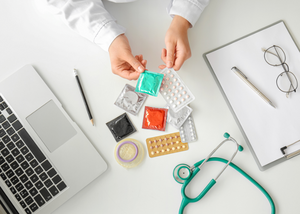
What Is Contraception?
Contraception refers to methods used to prevent pregnancy. Different methods work in different ways. Some prevent ovulation, some prevent sperm from reaching the egg, while others prevent fertilisation or pregnancy after unprotected intercourse.
No single contraceptive method is ideal for everyone. A consultation with a qualified Consultant Obstetrician & Gynaecologist in Baner, Pune can help determine which option is appropriate for you.
Why Is Contraceptive Planning Important?
Effective contraception can help:
- Prevent unintended pregnancy
- Plan the spacing between pregnancies
- Support personal and family goals
- Reduce health risks associated with closely spaced pregnancies
- Provide greater control over reproductive choices
- Help women choose pregnancy timing based on their health and circumstances
Contraception can be used temporarily or, in some cases, permanently depending on individual reproductive plans.
What Are the Different Types of Contraception?
1. Condoms
Male and female condoms are barrier methods that prevent sperm from entering the reproductive tract.
An important advantage of condoms is that they can also help reduce the transmission of sexually transmitted infections (STIs) when used correctly and consistently.
2. Oral Contraceptive Pills
Birth control pills contain hormones that primarily prevent ovulation. Depending on the type, they may also make cervical mucus thicker and alter the uterine lining.
Pills need to be taken regularly as directed to maintain their effectiveness. Your doctor can advise whether a particular type of pill is appropriate based on your health history.
3. Intrauterine Devices (IUDs)
IUDs are small devices placed inside the uterus by a trained healthcare professional.
Two broad types are available:
- Copper IUD: A hormone-free method that can provide long-term contraception.
- Hormonal IUD: Releases a small amount of hormone and provides long-term contraception.
IUDs are reversible, meaning fertility generally returns after removal.
4. Contraceptive Implants
A contraceptive implant is a small device placed under the skin of the upper arm. It releases a hormone that prevents pregnancy and provides long-acting contraception.
It can be removed when pregnancy is desired.
5. Contraceptive Injections
Hormonal contraceptive injections provide protection against pregnancy for a specific period and need to be repeated according to the recommended schedule.
Some women may experience changes in their menstrual pattern while using injectable contraception.
6. Emergency Contraception
Emergency contraception can help prevent pregnancy after unprotected intercourse or contraceptive failure, such as a condom breaking or missed contraceptive pills.
Emergency contraception is different from regular contraception and should not be considered a routine replacement for an ongoing contraceptive method.
The sooner an appropriate emergency contraceptive method is used, the better its effectiveness generally is.
7. Permanent Contraception
For individuals or couples who are certain that they do not want future pregnancies, permanent contraceptive procedures may be considered.
These include:
- Tubal sterilisation for women
- Vasectomy for men
Because these methods are intended to be permanent, careful counselling is important before making a decision.
How Do I Choose the Right Contraceptive Method?
The best contraceptive method depends on your individual circumstances. Your gynaecologist may consider:
- Your age
- Medical history
- Menstrual cycle
- Future pregnancy plans
- Breastfeeding status
- Current medications
- Smoking status
- Risk of sexually transmitted infections
- Previous experience with contraception
- Personal preferences and comfort
A method that works well for one woman may not be appropriate for another.
Is Contraception Safe?
Most contraceptive methods are safe for many women when appropriately selected. However, some hormonal methods may not be suitable for women with particular medical conditions or risk factors.
For example, certain contraceptive options may require special consideration in women with a history of blood clots, specific cardiovascular conditions, certain types of migraine, liver disease, or other medical concerns.
It is therefore advisable to discuss your health history with a qualified gynaecologist before starting or changing contraception.
Can Contraception Affect Fertility?
Most reversible contraceptive methods do not cause permanent infertility. Fertility generally returns after stopping or removing reversible contraception, although the timing can vary depending on the method and individual circumstances.
If you are planning a pregnancy, discuss when to discontinue your contraceptive method with your gynaecologist.
What About Contraception After Childbirth?
Contraceptive planning after childbirth is important because fertility can return before the first menstrual period.
The appropriate method depends on factors such as:
- Whether you are breastfeeding
- Time since delivery
- Your health
- Future pregnancy plans
- Type of contraception preferred
Your obstetrician and gynaecologist can help you select a suitable postpartum contraceptive method.
Contraception While Breastfeeding
Some contraceptive methods can be used during breastfeeding, while certain hormonal methods may require specific timing or consideration after delivery.
Because postpartum contraception needs to account for both maternal and infant health, it is best to discuss the available options with your doctor rather than starting contraception without medical advice.
Can Contraception Help With Period Problems?
Some hormonal contraceptive methods can make periods lighter, more predictable, or less painful. Certain methods may therefore be recommended not only for pregnancy prevention but also as part of the management of heavy or painful periods.
The appropriate option depends on the underlying cause of menstrual symptoms and your overall health.
What If I Forget My Contraceptive Pill?
What you should do after missing a pill depends on the type of pill, how many pills were missed, and where you are in the cycle.
If you miss contraceptive pills, follow the instructions provided with your medication or speak with your gynaecologist or pharmacist for specific advice. Emergency contraception may be appropriate in some situations.
When Should I See a Gynaecologist About Contraception?
You may benefit from a consultation if:
- You are considering contraception for the first time
- You want to change your current method
- You experience troublesome side effects
- You have missed several contraceptive pills
- You are considering an IUD or implant
- You need emergency contraception advice
- You are planning pregnancy in the future
- You are breastfeeding and need postpartum contraception
- You are uncertain which method is right for you
Frequently Asked Questions About Contraception
What is the most effective form of contraception?
Long-acting reversible contraceptive methods, such as IUDs and implants, are among the most effective reversible options because they do not require daily or frequent user action. However, the most suitable method depends on individual circumstances.
Does contraception protect against sexually transmitted infections?
Most contraceptive methods do not protect against STIs. Condoms can help reduce the risk of many sexually transmitted infections when used correctly and consistently.
Can I get pregnant after stopping contraception?
Yes. Fertility can return after stopping or removing most reversible contraceptive methods. The timing varies depending on the method and individual factors.
Is emergency contraception the same as abortion?
No. Emergency contraception is intended to prevent pregnancy after unprotected intercourse or contraceptive failure. It does not terminate an established pregnancy.
Can I use contraception after delivery?
Yes. Several contraceptive options may be suitable after childbirth. The choice depends on factors such as breastfeeding, time since delivery, medical history, and future pregnancy plans.
Can contraception make periods irregular?
Some contraceptive methods can cause changes in menstrual bleeding, particularly during the initial months of use. Your doctor can explain what changes may be expected and when further evaluation is necessary.
Can I switch from one contraceptive method to another?
Yes. Women can often change contraceptive methods when their needs or circumstances change. Appropriate timing is important to maintain contraceptive protection.
Do I need a prescription for contraception?
The requirement depends on the contraceptive method. Some methods are available without a prescription, while others require medical evaluation, prescription, or a healthcare professional for insertion or administration.
Contraception is an important part of comprehensive reproductive healthcare. With multiple options available, choosing the right method requires consideration of your health, lifestyle, reproductive goals, and personal preferences.
If you are looking for personalised contraceptive counselling in Baner, Pune, consult Dr. Khushboo Singh, Consultant Obstetrician & Gynaecologist in Baner, Pune, for expert guidance on safe and appropriate family planning options.
Read More:
Hysterectomy in Baner, Pune
Read More:
Hysterectomy in Baner, Pune
Book Appointment
 AboutMyClinic