A Caesarean section, commonly called a C-section, is a surgical procedure used to deliver a baby through incisions made in the mother's abdomen and uterus. It may be planned in advance or performed as an emergency when vaginal delivery could pose a risk to the mother or baby.
Although vaginal birth is appropriate for many pregnancies, a Caesarean section can be an important and sometimes lifesaving method of delivery when medically indicated. Dr. Khushboo Singh, Consultant Obstetrician & Gynaecologist in Baner, Pune, provides personalised pregnancy and childbirth care, helping expectant mothers understand their delivery options and make informed decisions based on their individual health and pregnancy needs.
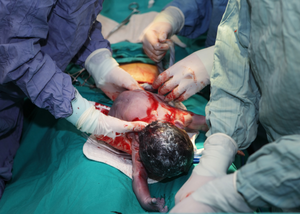
What Is a Caesarean Section?
A Caesarean section is an operation in which the baby is delivered through surgical openings in the abdomen and uterus. It is usually performed under regional anaesthesia, allowing the mother to remain awake while avoiding pain during the procedure.
A C-section may be:
Planned (elective): Scheduled before labour when a Caesarean delivery is considered safer or more appropriate.
Emergency: Performed during labour or pregnancy when an unexpected concern requires prompt delivery.
The decision depends on the mother's health, the baby's condition, pregnancy history, gestational age, and other clinical factors.
When Is a Caesarean Section Recommended?
A C-section may be recommended for several medical reasons, including:
- Baby is in a breech or transverse position
- Placenta previa or certain other placental problems
- Signs of fetal distress
- Labour that does not progress adequately
- Certain previous uterine surgeries
- Some multiple pregnancies
- Certain maternal medical conditions
- A very large baby in specific clinical circumstances
- Certain complications involving the umbilical cord
- Previous Caesarean delivery, depending on the individual situation
Not every pregnancy with these factors necessarily requires a C-section. Your obstetrician will assess the circumstances and discuss the safest delivery approach.
Planned Caesarean Section
A planned C-section may be recommended when there is a known medical reason that makes vaginal delivery less suitable or potentially unsafe.
During antenatal visits, the obstetrician discusses:
- Why Caesarean delivery is being considered
- Timing of the procedure
- Anaesthesia options
- Preoperative investigations
- Medications and fasting instructions
- Expected recovery
- Possible risks and benefits
Understanding the reason for a planned C-section can help reduce anxiety and allow the mother and family to prepare for delivery.
Emergency Caesarean Section
An emergency C-section may become necessary when complications develop during pregnancy or labour.
Possible reasons include:
- Persistent fetal heart-rate abnormalities
- Labour not progressing despite appropriate management
- Placental complications
- Significant bleeding
- Prolapsed umbilical cord
- Other sudden concerns affecting maternal or fetal wellbeing
The priority during an emergency C-section is to deliver the baby safely while stabilising the mother.
How Is a Caesarean Section Performed?
The exact approach varies depending on the mother's condition and the reason for surgery. Generally, the procedure involves:
- The mother is prepared for surgery and given appropriate anaesthesia.
- The abdomen is cleaned and prepared.
- A surgical incision is made in the lower abdomen.
- An incision is made in the uterus.
- The baby is carefully delivered.
- The umbilical cord is clamped and cut.
- The placenta is delivered.
- The uterus and abdominal incision are carefully closed.
A typical uncomplicated C-section takes around 45 minutes to an hour, although the duration can vary.
What Type of Anaesthesia Is Used?
Regional anaesthesia, such as spinal or epidural anaesthesia, is commonly used for Caesarean delivery. It allows the mother to remain awake while the lower part of the body is numbed.
General anaesthesia may occasionally be required depending on the clinical circumstances or urgency of the delivery.
Is a C-Section Painful?
Anaesthesia is used to prevent pain during the operation. Mothers may experience pressure, pulling, or movement during the delivery but should not experience sharp surgical pain.
Some discomfort is expected after the anaesthesia wears off. Pain-relieving medication and appropriate postoperative care can help make recovery more comfortable.
Recovery After Caesarean Section
Recovery from a C-section generally takes longer than recovery from an uncomplicated vaginal birth because it is major abdominal surgery.
During recovery, mothers are encouraged to:
- Follow prescribed pain-management instructions
- Start gentle movement as advised
- Keep the incision clean and dry
- Avoid lifting heavy objects until advised
- Maintain adequate nutrition and hydration
- Attend follow-up appointments
- Seek help with daily activities when needed
Gradual walking is generally encouraged because it supports mobility and may reduce the risk of complications associated with prolonged inactivity.
Caring for the C-Section Incision
Proper wound care is an important part of recovery. Keep the incision clean and follow the instructions provided by your obstetrician.
Contact your doctor if you notice:
- Increasing redness or swelling
- Pus or unusual discharge
- Wound opening
- Worsening pain
- Fever
- Heavy bleeding
- A new or worsening swelling around the incision
Prompt assessment can help identify and treat complications early.
What Are the Risks of a Caesarean Section?
C-section is a commonly performed procedure, but like any major surgery, it has potential risks.
These may include:
- Infection
- Bleeding
- Blood clots
- Reactions to anaesthesia
- Injury to nearby organs, which is uncommon
- Longer hospital stay
- Longer recovery compared with uncomplicated vaginal birth
There may also be implications for some future pregnancies, including increased risks associated with placental abnormalities or uterine scar-related complications. Your obstetrician can explain individual risks based on your medical and pregnancy history.
Can I Have a Vaginal Birth After a C-Section?
Some women may be candidates for a vaginal birth after Caesarean (VBAC), while others may be advised to have a repeat C-section.
The decision depends on factors such as:
- Type of previous uterine incision
- Number of previous C-sections
- Reason for the previous C-section
- Current pregnancy
- Maternal and fetal health
- Availability of appropriate obstetric support
A personalised discussion with your obstetrician is important before planning the mode of delivery.
How Can I Prepare for a Planned C-Section?
If your C-section is scheduled, your obstetrician and hospital team will provide specific instructions.
Preparation may include:
- Completing recommended blood tests and other investigations
- Following fasting instructions
- Discussing regular medications with your doctor
- Arranging transportation and support at home
- Preparing essential items for the hospital
- Discussing birth and newborn-care preferences with your care team
Do not stop or change prescribed medicines unless your doctor advises you to do so.
When Should You Contact Your Obstetrician After a C-Section?
Seek medical advice promptly if you experience:
- Heavy vaginal bleeding
- High fever or chills
- Severe or increasing abdominal pain
- Difficulty breathing
- Chest pain
- Severe headache or vision changes
- Leg swelling or pain
- Foul-smelling vaginal discharge
- Problems with the surgical wound
- Persistent vomiting or inability to keep fluids down
Urgent symptoms should not be ignored during the postpartum period.
Frequently Asked Questions
Is a Caesarean section safe?
A C-section is a commonly performed surgical procedure and is generally safe when medically indicated and performed with appropriate surgical and obstetric care. Like any surgery, it carries potential risks that should be discussed with your doctor.
How long does it take to recover from a C-section?
Recovery varies between individuals. Many women gradually return to normal daily activities over several weeks, while complete recovery from abdominal surgery can take longer.
How long do I stay in the hospital after a C-section?
The length of stay depends on the mother's recovery, the baby's condition, and hospital protocols. Your obstetrician will advise you based on your individual circumstances.
Can I breastfeed after a C-section?
Yes. A Caesarean delivery does not prevent breastfeeding. Mothers may need assistance with positioning to avoid pressure on the surgical incision.
Can I walk after a Caesarean section?
Gentle movement and walking are generally encouraged as soon as it is considered safe by the medical team. Early mobility can support recovery and reduce certain postoperative risks.
Is a C-section always required after a previous C-section?
No. Some women may be candidates for VBAC, while others may benefit from a repeat Caesarean. The safest option depends on individual clinical factors.
Can I have a C-section without a medical reason?
A Caesarean section is major surgery and has potential risks. The decision should involve a detailed discussion between the mother and obstetrician about the benefits, risks, alternatives, and individual circumstances.
When should I plan my delivery?
The timing and mode of delivery should be determined by your obstetrician based on gestational age, maternal health, fetal wellbeing, and any pregnancy complications.
A Caesarean section can be an essential method of childbirth when vaginal delivery is not considered the safest option. Understanding why a C-section may be recommended, how the procedure is performed, and what recovery involves can help expectant mothers approach delivery with greater confidence.
For personalised pregnancy, childbirth, and Caesarean delivery guidance, consult Dr. Khushboo Singh, Consultant Obstetrician & Gynaecologist in Baner, Pune, for comprehensive and patient-focused maternity care.
Read More:
Contraception in Baner, Pune
Read More:
Contraception in Baner, Pune
Book Appointment
 AboutMyClinic