PMOS, commonly used to refer to post-menopausal osteoporosis, is a condition in which bones become weaker after menopause. The decline in oestrogen levels associated with menopause can accelerate bone loss, increasing the risk of fractures, particularly in the spine, hip, and wrist.
Postmenopausal bone health deserves attention because osteoporosis can progress silently, without symptoms, until a fracture occurs. Early assessment, appropriate lifestyle measures, and medical treatment when indicated can help protect bone strength and reduce fracture risk.
Dr. Khushboo Singh, Consultant Obstetrician & Gynaecologist in Baner, Pune, provides personalised care for women during and after menopause, including guidance on bone health, osteoporosis risk factors, preventive strategies, and when specialist evaluation may be needed.
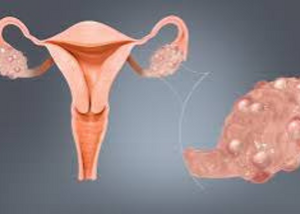
What Is PMOS?
PMOS, or post-menopausal osteoporosis, is a form of osteoporosis that develops or progresses after menopause. Oestrogen plays an important role in maintaining bone density. When oestrogen levels decline after menopause, bone breakdown can become faster than new bone formation.
Over time, this can reduce bone mineral density and make bones more susceptible to fractures.
Why Does Menopause Increase the Risk of Osteoporosis?
Before menopause, oestrogen helps regulate the balance between bone formation and bone breakdown. After menopause, reduced oestrogen levels can accelerate bone loss.
The rate of bone loss varies from woman to woman and is influenced by factors such as age, genetics, nutrition, physical activity, body weight, medications, and other health conditions.
Who Is at Risk of Post-Menopausal Osteoporosis?
The risk may be higher in women who have:
- Advanced age
- Early or premature menopause
- A family history of osteoporosis or hip fractures
- Low body weight
- Low calcium or vitamin D intake
- Limited physical activity
- Smoking or excessive alcohol consumption
- Previous fractures
- Long-term use of corticosteroid medicines
- Certain thyroid or hormonal conditions
- Conditions that affect nutrient absorption
Having one or more risk factors does not necessarily mean that a woman has osteoporosis, but it may indicate the need for bone health assessment.
What Are the Symptoms of Osteoporosis?
Osteoporosis is often called a “silent” condition because bone loss may occur without noticeable symptoms.
Some women may experience:
- Back pain
- Loss of height over time
- A stooped posture
- Fractures after minor falls or injuries
- Recurrent fractures
A fracture following relatively minor trauma can be an important warning sign of reduced bone strength.
How Is Post-Menopausal Osteoporosis Diagnosed?
A healthcare professional may assess a woman's medical history, fracture risk, lifestyle, medications, and other risk factors.
A DEXA or DXA scan is commonly used to measure bone mineral density at sites such as the hip and spine. Depending on the individual's circumstances, blood tests may also be recommended to identify nutritional deficiencies or medical conditions that can contribute to bone loss.
The appropriate timing of bone density testing depends on age, risk factors, and individual health status.
Can PMOS Be Prevented?
Not every case of osteoporosis can be prevented, but healthy lifestyle habits can support bone strength and reduce fracture risk.
Important measures include:
Adequate Calcium and Vitamin D
Calcium is essential for maintaining bone structure, while vitamin D supports calcium absorption and bone health. Dietary sources and supplements, when necessary, should be tailored to individual needs.
Regular Weight-Bearing Exercise
Activities such as walking, strength training, and other weight-bearing exercises can help maintain bone and muscle strength.
Exercise plans should be appropriate for age, fitness level, and existing medical conditions.
Fall Prevention
Preventing falls is particularly important for women with reduced bone density. Measures can include improving home lighting, removing trip hazards, wearing appropriate footwear, and maintaining balance and muscle strength.
Avoid Smoking
Smoking can negatively affect bone health and is associated with increased fracture risk.
Limit Excessive Alcohol Consumption
Excessive alcohol intake can adversely affect bone health and increase the risk of falls and fractures.
What Is the Treatment for Post-Menopausal Osteoporosis?
Treatment depends on bone density, fracture history, age, overall health, and individual fracture risk.
Management may include:
- Lifestyle and exercise measures
- Calcium and vitamin D optimisation
- Medicines that slow bone loss
- Medicines that help strengthen bone formation in selected high-risk patients
- Treatment of underlying medical conditions contributing to bone loss
- Regular monitoring of bone health
Medication is not required for every post-menopausal woman. Treatment decisions should be based on an individual assessment of fracture risk.
Is Hormone Therapy Used for Bone Health After Menopause?
Menopausal hormone therapy can help prevent bone loss in appropriately selected women, but it is not suitable for everyone and is not prescribed solely for osteoporosis prevention in all patients.
The potential benefits and risks depend on factors such as age, time since menopause, symptoms, medical history, and individual risk factors. A qualified gynaecologist can discuss whether menopausal hormone therapy is appropriate.
Why Is Early Bone Health Assessment Important?
Bone loss can progress without obvious symptoms. Identifying reduced bone density or significant fracture risk early provides an opportunity to introduce lifestyle measures and, when appropriate, medical treatment.
Women who have experienced menopause earlier than expected, have a history of fractures, or have other osteoporosis risk factors should discuss bone health with their healthcare provider.
PMOS and Women's Health After Menopause
Bone health is only one part of healthy ageing after menopause. Women may also experience changes involving:
- Menstrual and menopausal symptoms
- Sleep
- Mood
- Weight and metabolism
- Cardiovascular risk
- Vaginal and urinary health
- Sexual health
A comprehensive post-menopausal health assessment can help identify concerns early and support long-term wellbeing.
Post-Menopausal Osteoporosis Care in Baner, Pune
Dr. Khushboo Singh, Consultant Obstetrician & Gynaecologist in Baner, Pune, provides personalised women's healthcare during menopause and beyond. Her approach focuses on understanding each woman's symptoms, health history, risk factors, and long-term health goals.
For women concerned about bone loss after menopause, consultation can help determine whether osteoporosis screening, lifestyle changes, nutritional evaluation, or further specialist care may be appropriate.
Frequently Asked Questions
What does PMOS mean?
PMOS can refer to post-menopausal osteoporosis, a condition involving increased bone loss and reduced bone strength after menopause.
Is osteoporosis common after menopause?
The risk of osteoporosis increases after menopause because declining oestrogen levels can accelerate bone loss. However, the degree of risk varies between individuals.
Does osteoporosis cause pain?
Osteoporosis itself often causes no symptoms. Pain may occur when weakened bones develop a fracture, particularly in the spine.
How can I check whether I have osteoporosis?
A bone mineral density assessment, commonly performed using a DEXA or DXA scan, can help evaluate bone density. Your doctor can determine whether testing is appropriate based on your age and risk factors.
Can exercise prevent bone loss after menopause?
Regular weight-bearing and muscle-strengthening exercise can support bone and muscle health and may help reduce fracture risk.
Should every post-menopausal woman take calcium and vitamin D supplements?
Not necessarily. Calcium and vitamin D requirements vary between individuals. Dietary intake, nutritional status, age, and other health factors should be considered before starting supplements.
Can osteoporosis be reversed?
Some treatments can improve bone mineral density and significantly reduce fracture risk. The goal of treatment is to strengthen bones where possible and prevent fractures.
When should a woman see a doctor about bone health after menopause?
Women with risk factors such as early menopause, previous fractures, low body weight, a family history of osteoporosis, long-term steroid use, or other conditions affecting bone health should discuss osteoporosis assessment with their healthcare provider.
Can menopause treatment help protect bones?
Some menopause treatments can help reduce bone loss in appropriately selected women. The choice depends on individual health factors, benefits, and potential risks.
Post-menopausal osteoporosis can develop silently, but its consequences can be serious if bone weakness leads to fractures. Understanding personal risk factors, maintaining a bone-healthy lifestyle, and undergoing appropriate assessment can help women protect their bone health after menopause.
Dr. Khushboo Singh, Consultant Obstetrician & Gynaecologist in Baner, Pune, offers personalised guidance for women's health during and after menopause. If you are concerned about bone loss, fracture risk, or other post-menopausal health changes, timely consultation can help you understand your risks and choose an appropriate care plan.
Read More:
Gynaecological Disorders in Baner, Pune
Read More:
Gynaecological Disorders in Baner, Pune
Book Appointment
 AboutMyClinic